Design the propulsion for your own drone
Which motor and propeller does your drone actually need? A spray drone and a racing quad use the same physics and completely different motors. Learn to choose the set that fits your aircraft, then learn to design the motor itself.
 In collaboration withUMPSA Aerospace
The path, as it opens
Step 1 is open. Already on another path? EV Traction Motor uses the same sizing method for a car.
Being built in the open
The module is in development. Here is what is ready and what is still to come. We update this page as each part is ready.
Now
- The trailer above.
- The module outline: two tracks and thirteen planned units.
Next
- Writing the units and the Choose It track.
- Free tools to try, released ahead of the module.
Later
- The Design It track.
- Hands-on learning and a capstone.
Three things you will be able to do
Size the propulsion
Take any aircraft, its mass and its mission, and work out the thrust, torque and speed each motor must deliver.
Choose the right set
Pick the motor, propeller and battery that fit an aircraft, and explain why.
Design the motor
Go inside: slots, poles, windings, magnets and heat, modelled in FEMM and validated against test data.
Choose how far inside the motor you go
Choose It is the on-ramp to Design It, so nobody starts from zero.
Track 1Choose It
For TVET and diploma students, hobbyists, competition teams, drone operators and service technicians. Basic electricity is enough.
- Work out the thrust each motor must give for a given aircraft and mission.
- Choose a motor, propeller and battery that fit the brief, and explain why.
- Name every part inside a drone motor and say what it does.
- Judge a set by thrust, efficiency and temperature.
Track 2Design It
For final-year and postgraduate students and industry engineers. Starts from Choose It or equivalent, plus basic electromagnetics.
- Turn a mission into a motor specification: KV, torque, current, mass budget.
- Choose the topology, the slot and pole combination and the winding.
- Size and model an outer-rotor motor in FEMM and predict its heating over a mission.
- Trade mass against losses and temperature through material choices.
- Validate against test data and explain any gap.
Built from a real teardown
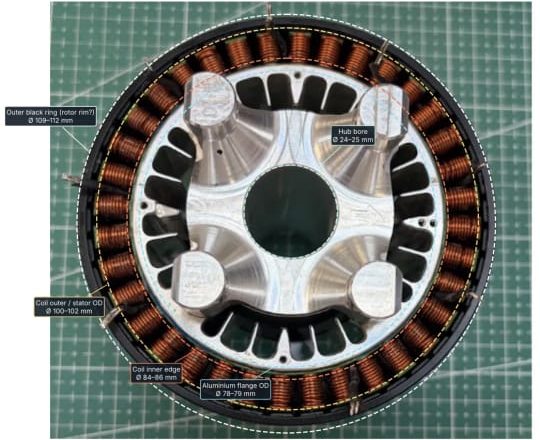
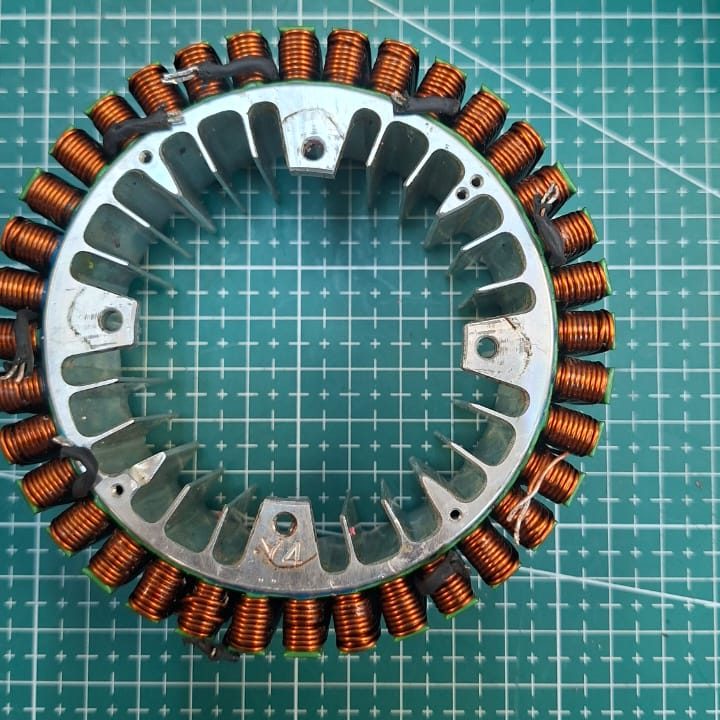
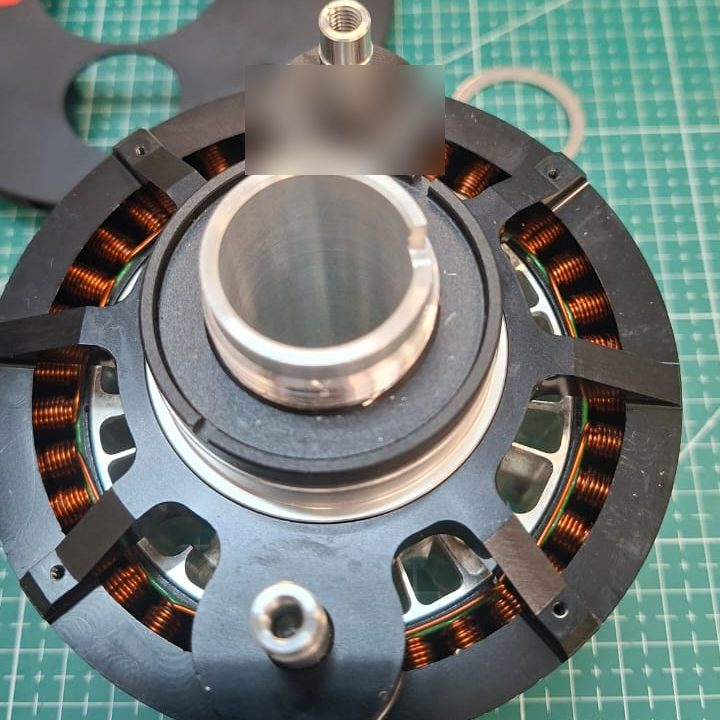
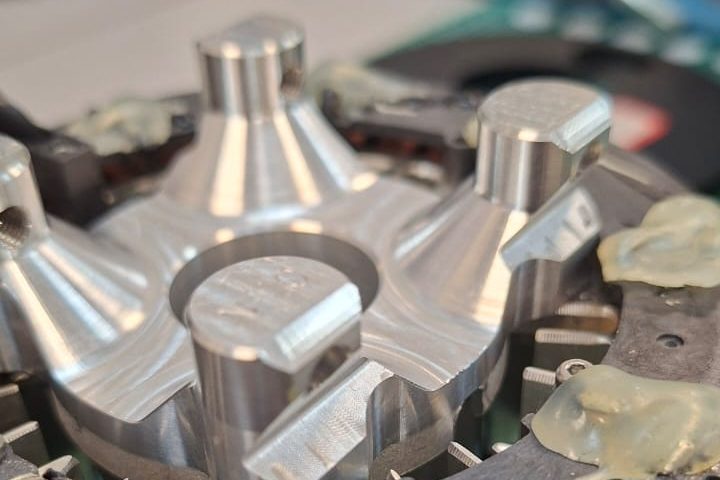
The module draws on the teardown and measurement of a heavy-lift agricultural drone motor (10033, 48KV), carried out at EMDLab.
Our experience is what the course is built on
The module grows out of one real case at EMDLab: a heavy-lift agricultural drone motor, studied from teardown to simulation to materials. Each step became part of what you will learn.
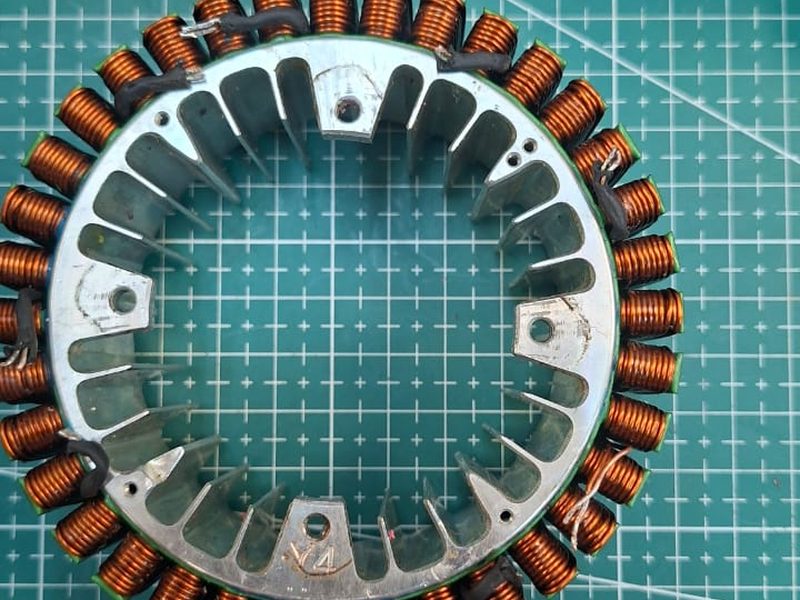
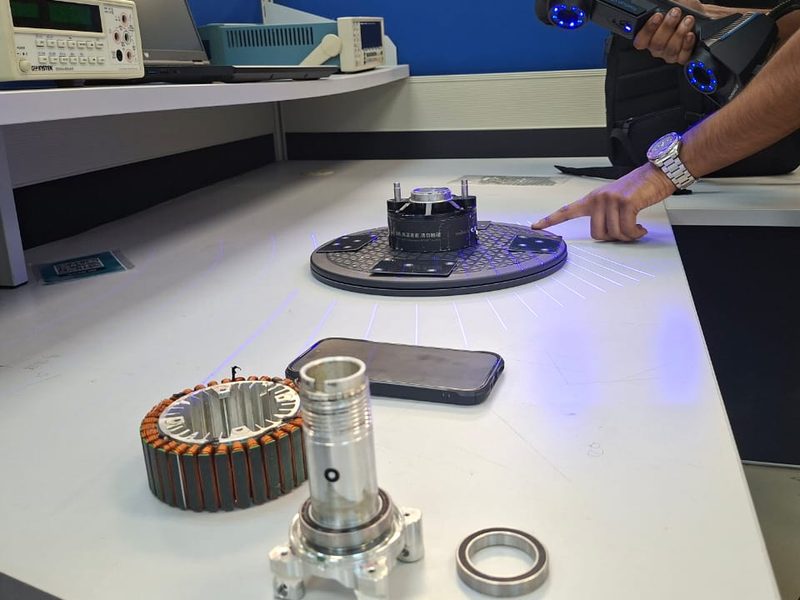
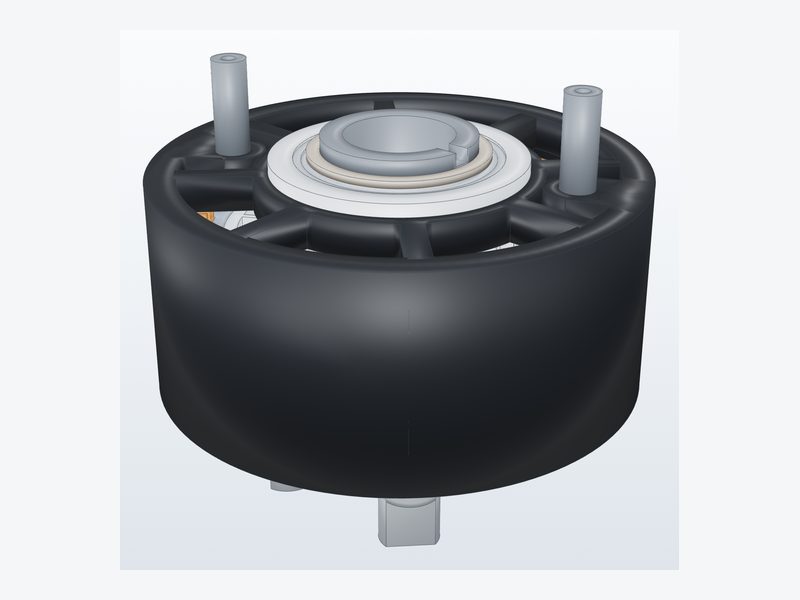
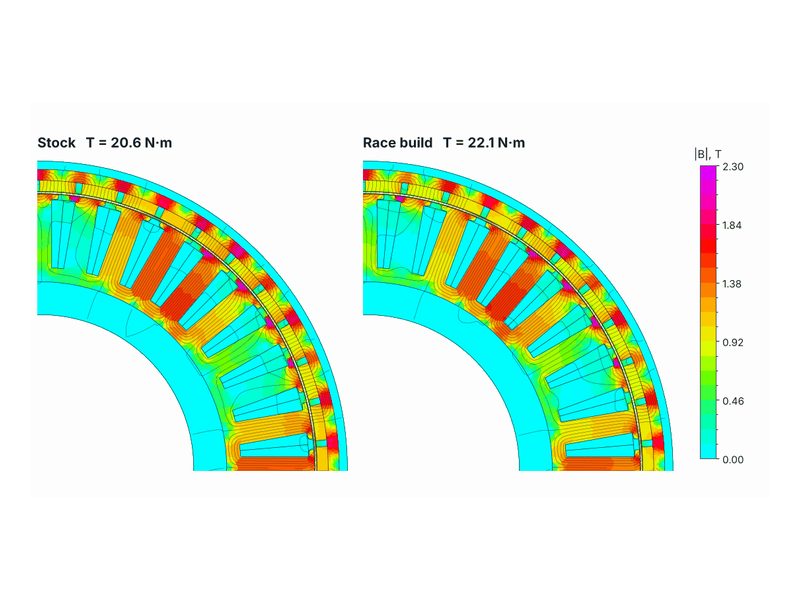
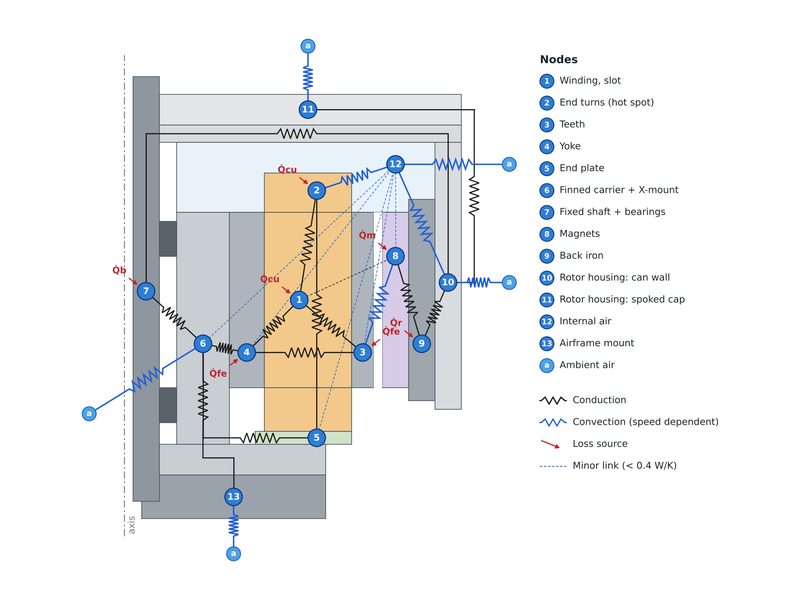
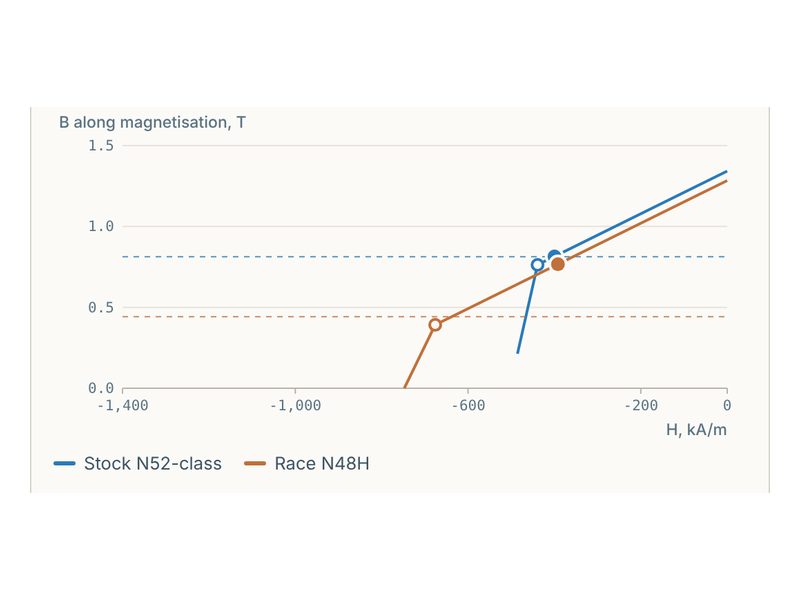
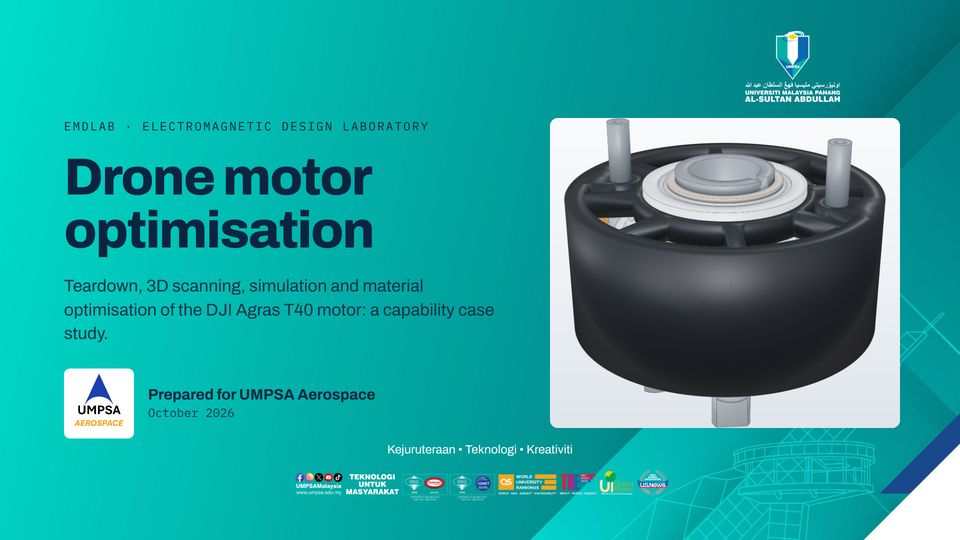
Drone motor optimisation: a capability case study
The 17-slide study in full: the teardown, 3D scan, parametric model, finite-element field, thermal network and material optimisation. Prepared for UMPSA Aerospace, October 2026. Some values are provisional until the bench tests are done.
Thirteen units, from the load to the machine
The module follows a real design: start from the aircraft's job, end with a motor you have tested. Content is being written and may change.
The load
- The aircraft and the mission
- The propeller is the load
- Reading a motor
The machine
- Why this machine?
- Teardown
- Slots, poles and windings
- Electromagnetic design
The limits
- Heat
- Mass and materials
System and proof
- Driving it: the ESC
- Mechanical design and making
- Test and validate
- Capstone
UMPSA Aerospace
This module is being developed with UMPSA Aerospace, so that what you learn is tied to real drone applications. Motoreka is a product of UMPSA, developed at EMDLab.
Be first to hear when it opens
Tell us who you teach or train and which track fits. We will send you the outline and let you know when the first units and the pilot open.
WhatsApp+60 13-390 2485Questions before you register Emailhello@motoreka.myFor outlines and documents